What Is Radon? And Why Is It Now Included in Property Disclosure Statements in BC?
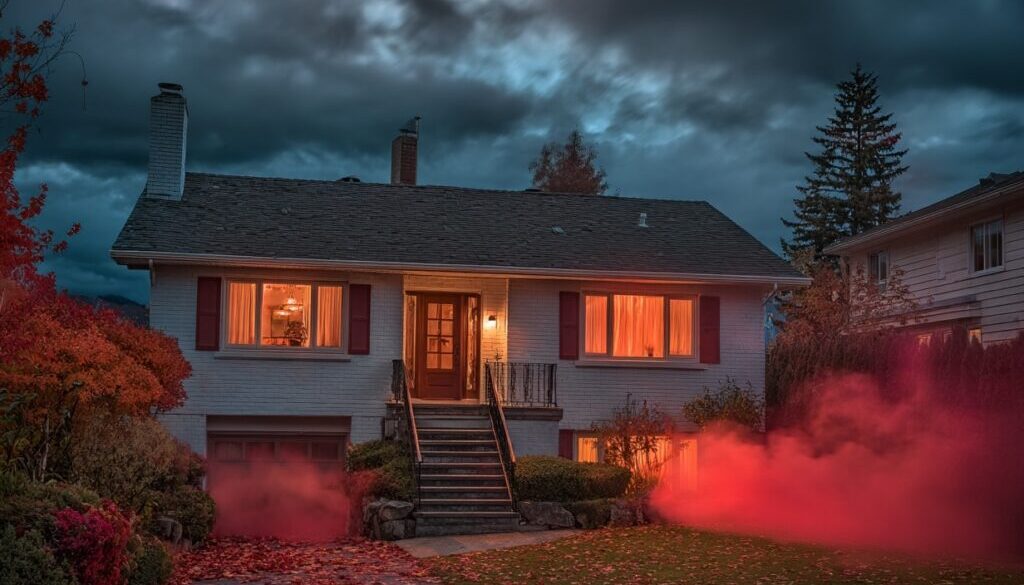
Radon is an invisible, odorless, naturally occurring radioactive gas that forms when uranium in soil and rock breaks down. In parts of British Columbia (BC), radon can seep through cracks in building foundations, crawlspaces, or gaps around pipes—entering homes and accumulating to dangerous concentrations. Long-term exposure to elevated radon levels is the second leading cause of lung cancer in Canada, after smoking, and contributes to an estimated 3,000 deaths annually.
How radon affects health
Small radon particles, when inhaled, lodge deep in the lung tissue and emit radiation that can damage cells over time. Health Canada has set a guideline of 200 becquerels per cubic metre (Bq/m³), above which the risk of lung cancer increases significantly, particularly for those who smoke. While there’s no “safe” level of radon, exposure above 200 Bq/m³ should be corrected—within a year if levels exceed 600 Bq/m³.
Testing and remediation
Testing is straightforward: place a long-term detector (minimum 90 days, preferably during winter) in the lowest regularly occupied level of the home. Kits are inexpensive, available at hardware stores or online, and professional services are available through C-NRPP-certified providers.
Mitigation typically involves sealing foundation cracks or installing systems like sub-slab depressurization—either passive (especially in newer homes rough-in-prepared) or active with a fan—at reasonable cost.
Why Is Radon Now Part of the Property Disclosure Statement in BC?
Recognizing Radon as a Material Latent Defect
In BC, radon levels exceeding 200 Bq/m³ are designated “material latent defects”—hidden hazards that cannot be discovered through a standard home inspection. Sellers, landlords (and their agents) are legally required to disclose known high radon levels in writing to prospective buyers or tenants.
Becoming Standard Practice in Disclosure Forms
Since April 2020, the BC Property Disclosure Statement has included explicit questions about radon: whether testing was done, the date and results of the most recent test, and whether a mitigation system exists—plus any known issues with it. Even if testing wasn’t done, agents must answer honestly if asked by buyers or tenants.
Guidance from Regulatory Bodies
The BC Financial Services Authority (BCFSA) and Real Estate Council of BC have issued clear guidelines: any known elevated radon levels must be disclosed as a material latent defect, and agents are encouraged to raise awareness regarding testing and remediation. The BC Lung Foundation also supports these efforts, offering tools and checklists for property managers and tenants, and reminding real estate professionals that failure to address radon can lead to complaints.
Facilitating Informed Transactions
Because accurate radon testing requires 90+ days—longer than the typical conditional period in real estate transactions—buyers may include holdback clauses in offers, ensuring funds are reserved to test and, if needed, remediate after the sale is complete. This protects both parties until testing is done and any deficiencies addressed.
Modern Building Standards in BC
To proactively manage radon risks, since March 2024 new homes in BC must include a passive radon vent pipe (a rough-in for future mitigation) as part of the building code—even though adding a fan later may still be necessary to reduce radon levels effectively. This integration reflects growing awareness and regulation around indoor air quality.
Radon is an unseen yet serious health hazard in BC homes—an invisible gas proven to raise lung cancer risk. It’s now embedded in the real estate disclosure framework as a material latent defect, ensuring buyers and tenants are informed when levels exceed 200 Bq/m³. Standard disclosure forms, regulatory mandates, and industry guidance all reinforce transparency around radon testing. With new building code changes and emphasis on holdback provisions, BC is aligning housing safety with public health. Testing is simple, mitigation is affordable, and disclosure ensures a more secure, healthy real estate experience for everyone.
Sources
BC Financial Services Authority – Consumer Guide on Radon: bcfsa.ca
BC Financial Services Authority – Radon Disclosure Reminder: bcfsa.ca
BC Lung Foundation – Radon and Real Estate Project Summary: bclung.ca
BC Lung Foundation – Radon and Residential Tenancies: bclung.ca
BC Real Estate Association – Legally Speaking: Radon: bcrea.bc.ca
Health Canada – Radon: canada.ca
Interior Health – What To Do If You Have High Levels of Radon: interiorhealth.ca