The Shaky Truth About Peatland Homes
If you’re house hunting or listing in Greater Vancouver or the Fraser Valley, you’ve probably heard murmurs about “peat bog land,” “soft soils,” or properties that “settle over time.” These aren’t just quirks — they can materially change both cost and valuation, from both buyer and seller perspectives. In my experience, it’s one of those subjects where transparency, preparation, and clear communication are the difference between a deal that works and one that turns into a headache. Let me walk you through what I believe clients need to know.
Understanding Peat: The Ground You Can’t See
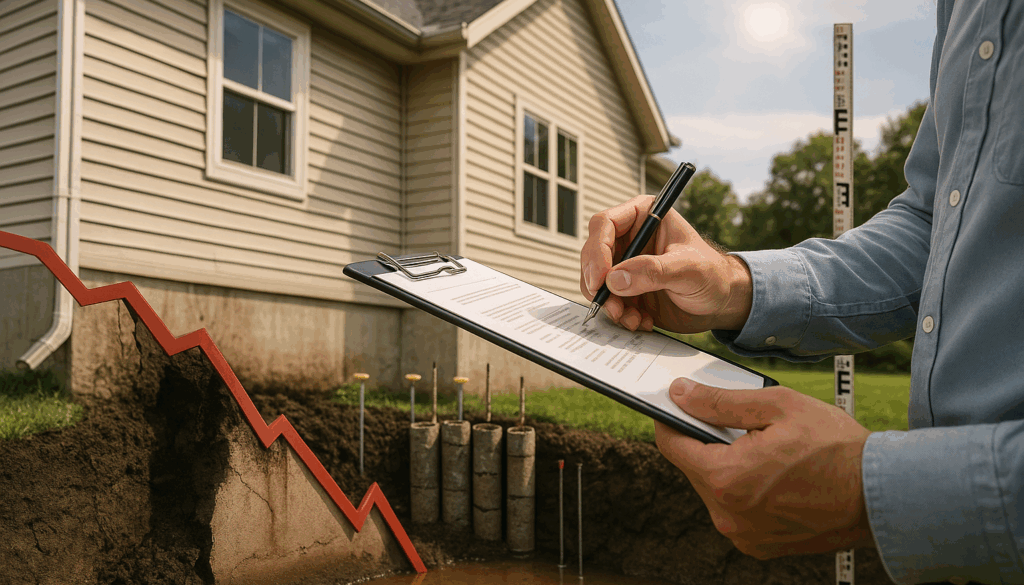
Peat is organic matter, slowly decomposed material, often saturated or water‐logged, that remains as a soft soil layer. In Vancouver and around parts of the Lower Mainland, there are zones mapped out as “peat areas” (often formerly swampy or wetland areas that were drained). Homes built on or near these zones can face challenges: shifting foundations, tilting floors, drainage issues, and more.
From a buyer’s lens, that means you might be walking into unknowns. And from a seller’s view, you must manage expectations and risk so you don’t scare off buyers—or worse, face post-sale liability.
Buyer’s Perspective: What You Should Ask & Budget For
- Due diligence is non-negotiable.
Before making an offer, insist on a geotechnical/soil stability report. For peat zones, that may include core sampling, assessing peat depth, and evaluating how much the structure is anchored. I’ve seen “simple” geotech investigations in BC quoted at CAD $5,000 or more, and in trickier cases $10,000–$15,000 or higher. - Account for extra foundation / repair costs.
If the peat is thick or unstable, you may need screw piles, underpinning, structural modifications, or advanced drainage systems. In Vancouver, homeowners in peat zones sometimes need cement pilings drilled deep to reach firm strata. - Understand discounts / valuation adjustments.
Because of the perceived risk and added costs, properties on peat generally trade at a discount relative to comparable houses on “good ground.” In Vancouver, some sources estimate single-family homes on peat might sell at 10–20 % lower than equivalent homes on stable soil. - Inspect for signs of movement / water damage.
When walking through the home, check for sloped floors, tilted door frames, separation in walls, cracks, uneven sidewalks, or damp spots in basements. Visibility of past repair work is a clue that some struggle is already underway. - Plan your insurance and financing contingencies.
Some lenders may require additional scrutiny, higher down payments, or may refuse a mortgage unless the risk is mitigated. (I’ve encountered listings that require soil reports before loan approval.) Also, insurance premiums may be higher for structural risk.
Bottom line for buyers: If the price looks “too good,” it might be because someone baked in the extra risk. Be armed with knowledge, build in contingencies for repair, and work with a realtor who knows the peat zones.
Seller’s Perspective: What You Must Do & Disclose
- Be proactive with engineering and disclosure.
A seller who provides a recent geotech report, foundation assessment, or pile design documentation instills confidence. If buyers know exactly what they’re getting, it softens risk perception. And legally or ethically, disclosure of known peat/soil conditions is critical. - Price strategically (with discount baked in).
You can’t list a peat land house at full-soil value and expect uninformed buyers to accept it. Many deal with about a 10–15 % adjustment downward in expectation. In fact, developers often price lots in peat areas lower, accounting for higher build cost. - Emphasize the upside & mitigation done.
Show the work that’s been done — piles installed, drainage systems, structural monitoring, waterproofing. Highlight that the house is in a desirable location (good school, transit, neighbourhood amenities) and that many successful homes already exist in peat zones. - Accept a narrower buyer pool / longer sale timeline.
Some buyers will self-exclude peat zone houses out of caution. Expect potentially more bulletins, more back-and-forth, more scrutiny. That’s why the listing and marketing must lean on transparency and technical credibility.
Implications: Risk, Return & Long-Term Value
- Risk premium built in. The discount is your buffer for uncertainties over 5, 10, 20 years. If you manage it well, the downside is limited; but surprises can become expensive.
- Maintenance is ongoing. Even well-designed foundations settle, components shift, drainage must be maintained. You should assume a higher budget each 5–10 years for adjustments, repairs, or structural checks.
- Resale perception lags reality. Buyers are often more cautious than engineers—so even if your house is well stabilized, the stigma of peat land may linger unless you document and communicate your mitigation.
- Potential upside if neighborhood grows. In Vancouver, many peat zones lie in established or gentrifying neighbourhoods (e.g. some parts of East Vancouver, Mount Pleasant, etc.). If location demand is strong, that helps absorb the discount.
Citations / Sources
- Vancouver’s peat bog real estate guide and map (discounts, soil impacts) ronparpara.com
- “How Does Peat Effect Home Value?” (soil instability, shifting) Icon&Co.
- Vancouver peat bog background and building requirements The R&D Group
- Insight on geotech report cost in BC / investigation ranges Reddit
- Homes in Vancouver’s peat zones (tilted floors, pilings needed) Leo Wilk Real Estate
- Seller / listing perspective for peat bog property issues Kyle Mark
- Highway / infrastructure construction over peat in BC (settlement, techniques) Scribd
- Geotechnical report from Pitt Meadows showing peat and organic soils as relevant design concerns Pitt Meadows
- Richmond land / soil deposit project (official soil / peat flood / drainage concerns) Richmond City Council
- Urban land subsidence in Richmond, BC (groundwater, consolidation, risk) MLWS