What Is a Foreclosure? Pros and Cons
When people hear the word foreclosure, it often brings to mind financial trouble, banks taking homes, and discounted properties. But what exactly does it mean — and what are the real advantages and disadvantages for both buyers and sellers? In most cases, it’s not very common to come across these properties, but when the time comes, understanding what those steps are provides insight on the legal steps and risks that are worth understanding before jumping in.
What Does “Foreclosure” Mean?
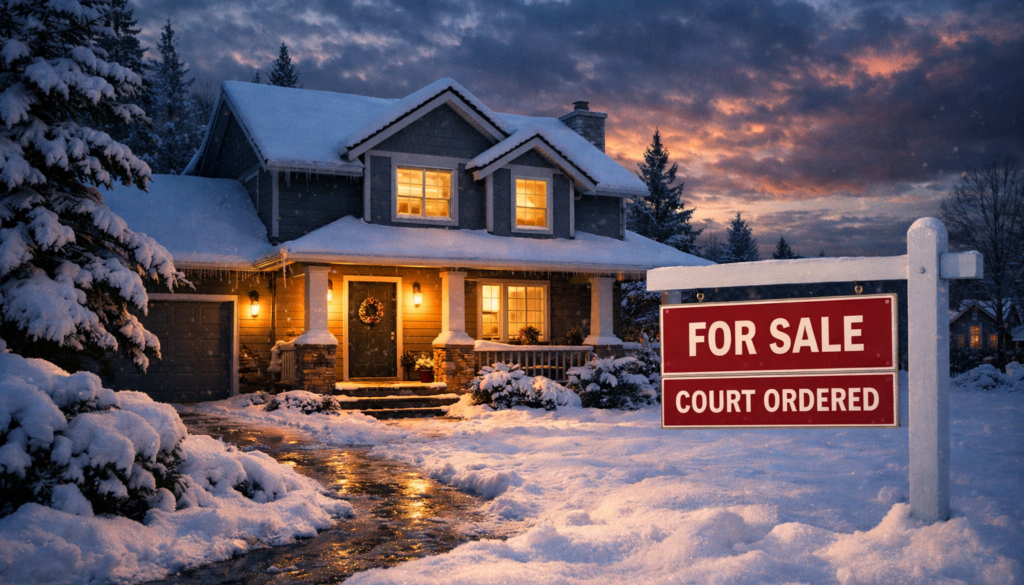
In simple terms, foreclosure is a legal process that happens when a homeowner fails to make their mortgage payments, and the lender (usually a bank) moves to take possession of the property in order to recover the debt. In BC, unlike in some parts of the U.S., foreclosures aren’t just quick auctions — they must go through the BC Supreme Court as a judicial sale or court-ordered sale. The court supervises the process to balance the interests of the homeowner and the lender.
Here’s the typical sequence: *Note this is just a standardized process but it may vary based on circumstances
- Missed payments and default — The homeowner falls behind and can’t catch up.
- Order Nisi — The lender applies to the Supreme Court for a foreclosure order. The court usually gives the homeowner a redemption period (commonly about six months) to pay off the debt and stop the foreclosure.
- Judicial sale or conduct of sale — If the debt isn’t repaid, the lender can list the property for sale. A judge still must review and approve the process.
- Court hearing & offer approval — Offers are presented at a court hearing. The judge approves the best offer, and once approved it’s binding.
- Final sale and transfer — After court approval, ownership transfers to the buyer.
During this process, the property is basically sold “as-is” because the lender is simply trying to recover what they are owed. They have no interest in the actual property ie. fixing it and selling it at the highest value. A quick sale
Pros of Buying a Foreclosure
1. Potential Lower Purchase Price
One of the biggest attractions is price. A foreclosure property is often priced below market value, because the lender isn’t looking to make a profit — they just want to recoup loan losses. This can open opportunities for buyers who might otherwise be priced out of certain neighbourhoods.
2. Investment and Equity Potential
If you’re willing to renovate or improve the home, buying below market can give you strong equity upside over time. For experienced investors or buyers who like renovation projects, this is often a draw.
3. Less Emotional Negotiation
Since the bank or lender isn’t emotionally attached to the property, negotiating can be more straightforward than with an emotional seller. Some buyers appreciate this lack of personal back-and-forth.
4. Rare Access to Competitive Areas
Especially in expensive BC markets like Greater Vancouver or the Fraser Valley, foreclosure listings can offer rare access to properties in areas that might otherwise be out of reach.
Cons of Buying a Foreclosure
1. “As-Is” with No Warranty
Foreclosures are almost always sold as-is, where-is. There’s typically no warranty about condition, and the lender normally won’t make repairs. Structural issues, outdated systems, leaks, or pests could become your responsibility. – Offers are subject free with no conditions allowed.
2. Limited Information & History
Because the previous owner is off the hook and the lender focused on debt recovery, there’s usually limited disclosure about the property’s history or maintenance records — increasing uncertainty for buyers.
3. Court-Driven Process & Delays
BC’s foreclosure system involves the Supreme Court — that means longer timelines than a typical sale, and a court hearing where other buyers can make higher sealed bids. Even if your offer was accepted, another buyer might outbid you at the hearing.
4. Financing Challenges
Traditional lenders may hesitate to finance distressed properties if they’re in poor condition. In some cases, buyers need alternative financing or larger down payments, which can raise the cost of borrowing.
5. Occupancy and Tenant Issues
If the previous owners or tenants don’t vacate smoothly, this can delay possession and create complications — even after court orders.
So — Is a Foreclosure a Deal or a Risk?
The answer is: it depends on your goals and comfort with risk. For experienced investors or buyers ready for renovations and complexity, foreclosure properties can offer a meaningful discount and potential long-term gains. However, for many families seeking a move-in-ready home with predictable timelines, traditional sales might be safer and less stressful.
If you’re thinking about buying a foreclosure in BC, consider:
- Working with a Realtor familiar with foreclosure listings
- Budgeting for inspections and unexpected repairs
- Preparing for longer timelines
- Securing flexible or alternative financing
- Consulting a real estate lawyer to navigate court-ordered sales
Foreclosures are not inherently “good” or “bad” — they’re a different type of purchase, with both opportunities and challenges that require informed decision-making.
Sources
- Buying a Foreclosure in BC: What You Need to Know | Bryce Penner, Pathway Executives Realty Inc.
- BC Foreclosures – Court Order Sale | BCHB.ca
- Everything You Need to Know About Foreclosure Listings in BC (2025 Guide)
- Should You Consider Buying a Foreclosure Property? – MortgageNB
- Pros & Cons of Buying a Foreclosed Property | Centris.ca
- Purchasing Foreclosure Properties in Canada – Risks and Rewards