
Why a Property’s Past Could Haunt Its Value
Cannabis is legal in Canada, but a home’s history as a “grow op” can still raise concerns. Even if cultivation happened years ago, and even if the property has been renovated since, that history can affect safety, financing, insurance, and resale value.
Cannabis Grow Ops Era in BC Homes
Before legalization in 2018, BC had a significant underground cannabis industry. Many grow operations were hidden inside residential properties — sometimes small-scale, but often large enough to require major modifications.
To support plant growth, high-powered lighting, ventilation ducts, and irrigation systems were installed. Electrical wiring was often altered without permits, structural components were cut to fit ducting, and humidity was kept high to promote growth. These changes often ignored safety standards and left lasting damage.
Even today, the Property Disclosure Statement (PDS) asks sellers if a home has ever been used to grow cannabis — legal or not — because of the potential risks that remain.
Why This History Still Matters
A grow op’s impact goes beyond its connection to cannabis — it’s about the condition of the home and whether past modifications were safely removed and repaired.
Structural and Electrical Hazards
Unauthorized wiring to power lighting systems can create a fire hazard if left in place. Ventilation holes cut through beams, joists, or walls may weaken the structure or allow moisture and pests to enter.Mould and Moisture Issues
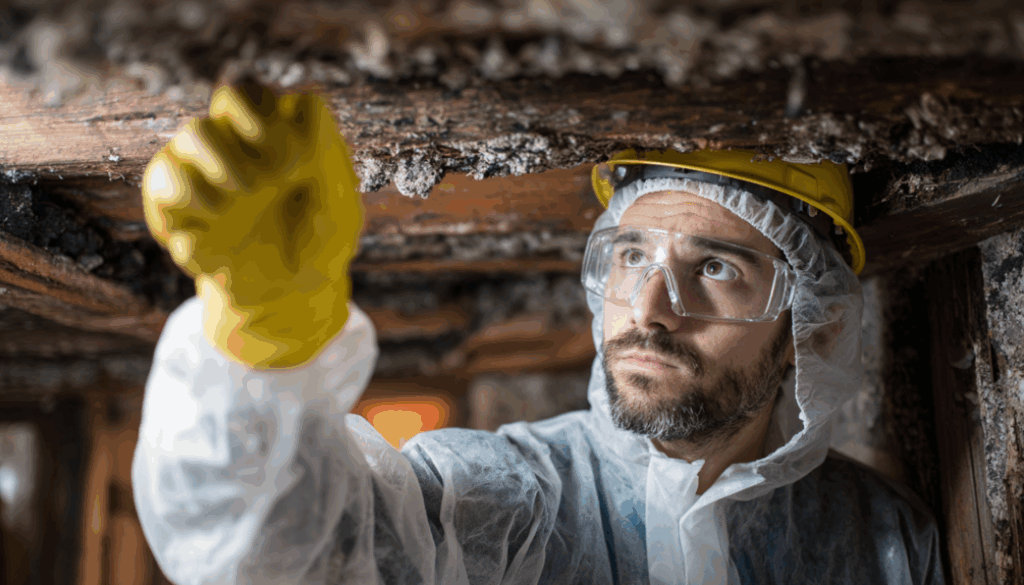
High humidity can cause widespread mould growth in walls, ceilings, and hidden spaces. Without professional remediation, spores can remain, affecting indoor air quality and potentially causing health issues.Financing and Insurance Challenges
Some lenders and insurers remain cautious about properties with a grow op history, requiring proof of remediation or municipal clearance. Even with documentation, some insurers limit coverage or charge higher premiums.Impact on Resale
Perception matters in real estate. Even fully repaired homes may be harder to sell or appreciate less than comparable properties without a grow op history.
Buyers Should Be Aware of the Potential and to Ask
When purchasing a home — particularly one with extensive renovations or in older neighbourhoods — confirm whether it was ever used to grow cannabis. This includes:
Reviewing the PDS for a clear answer.
Requesting remediation and inspection records if the property was a grow op.
Hiring an inspector experienced in identifying signs of past cultivation.
Checking with lenders and insurers to understand requirements before removing subjects.
Even if the seller believes the home was never a grow op, without documentation, you’re taking a risk.
Making an Informed Decision
For some buyers, a fully remediated former grow op can present an opportunity to purchase at a more competitive price. For others, the potential financing challenges, insurance limitations, or lingering stigma outweigh the savings. The key is not to avoid these homes entirely, but to approach them with eyes wide open.
Knowing the property’s history, confirming the quality of remediation, and understanding the long-term implications allows you to weigh the risks against the benefits. In the end, an informed decision today can prevent costly surprises — and ensure your new home is a solid investment for years to come.